
May 15, 2026 · Technology · By Kite Energy
Why CHP Hits 65–85% Efficiency When the Grid Manages ~33%
Combined heat & power captures the thermal energy conventional generation throws away. Here's where the efficiency gap comes from — and what it means for your facility's energy bill.
When a conventional power plant generates electricity, roughly two-thirds of the fuel's energy escapes as waste heat — up the cooling tower, into the river, gone. By the time line losses bring that power to your meter, the overall efficiency of the fuel you indirectly paid for sits near 33%.
One fuel, two products
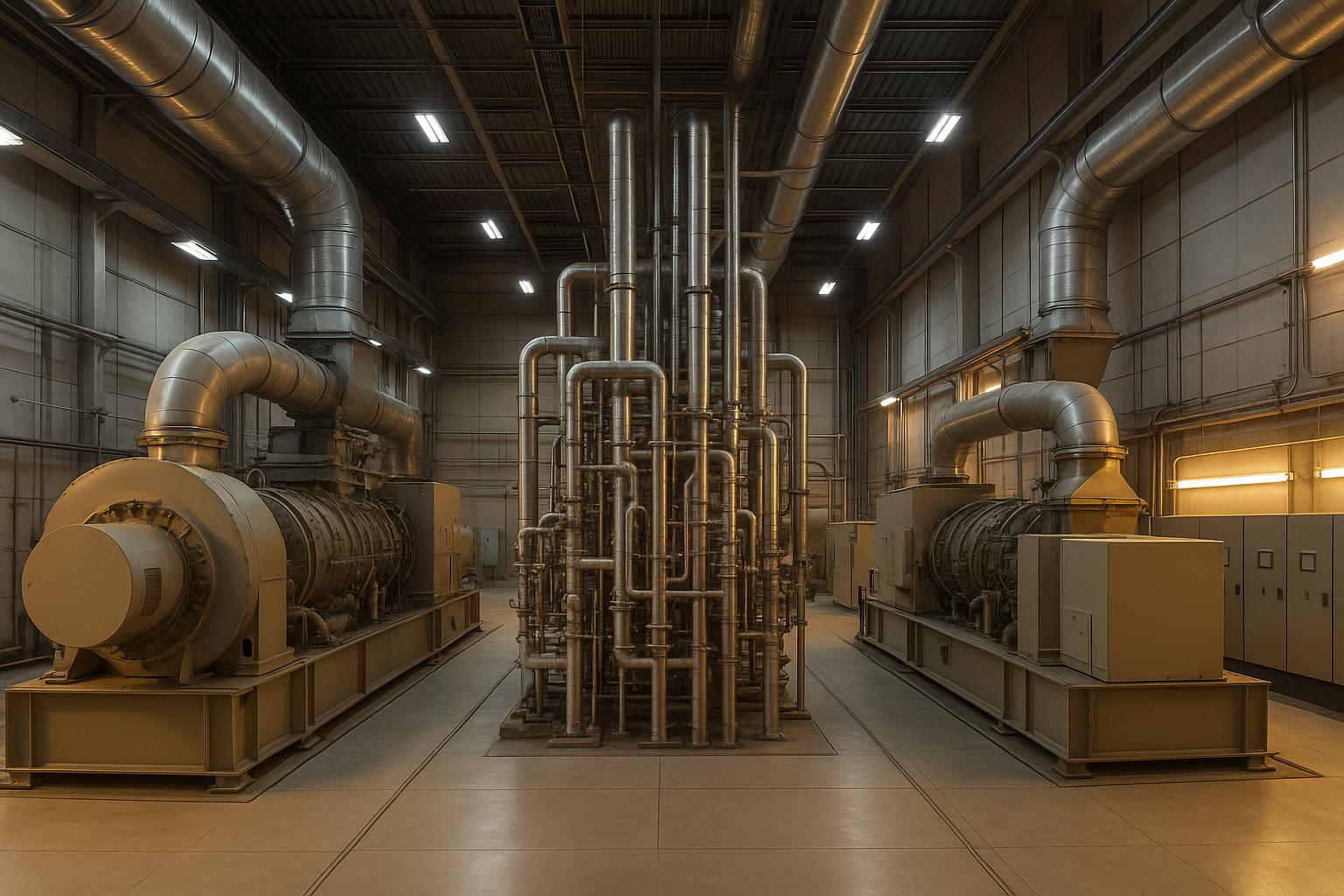
Combined heat & power (CHP) generates electricity at your facility and captures the heat that generation produces, putting it to work as steam, hot water, or chilled water through absorption cooling. Because both outputs come from a single fuel input, total system efficiency lands between 65% and 85%.
Who benefits most
The economics are strongest where thermal demand runs around the clock:
- Hospitals and healthcare campuses
- Food & beverage processors
- Universities and district energy systems
- Hotels, wastewater treatment plants, and data centers
The developer-owner difference
Kite finances, builds, owns, and operates the CHP system. Your facility buys the outputs under a PPA or ESA — predictable pricing, zero capital outlay, and performance risk that stays on our side of the table. Tax credit eligibility depends on fuel source and construction timeline, and we engineer each project around the applicable §48 or §48E framework from day one.
Frequently Asked Questions
Does CHP work if my facility doesn't use much heat?
CHP economics depend on putting the thermal output to work. Facilities with low or seasonal thermal demand are usually better served by a different stack — storage, solar, or grid-plus-resilience designs. A site assessment models this with your actual load data.
What fuels can a CHP system run on?
Natural gas, biogas or landfill gas, and green hydrogen. Fuel choice affects federal tax credit eligibility: biogas and green hydrogen pathways can qualify under §48E, while natural gas systems relied on the legacy §48 framework. Eligibility depends on fuel source and construction timeline.
Discuss a Long-Term Energy Strategy
Find out what on-site energy infrastructure could do for your facility's costs and resilience.
Request a Site Assessment